More than a year after the book’s release, I learned that some readers had misinterpreted Mountains of Change as a cheer for the ongoing tourism investment wave in Sa Pa. Such a misunderstanding is understandable, given that I named Sun Group as a case study in the book. Let me clarify: the book does not endorse the massive, relentless style of investment that Sun Group and various other enterprises are pursuing—neither in Sa Pa nor in any other region of Vietnam.
I understand that when they put in investment, they wish for the prosperity of the country, the local community, and, of course, themselves as honest laborers. Yet I call their approach “massive and relentless” because I still perceive a sense of impatience and railroading the process within it. Had we slowed down just a little, perhaps we could have made those good intention truly fulfill.
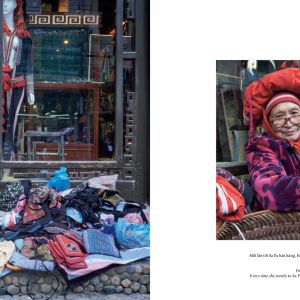
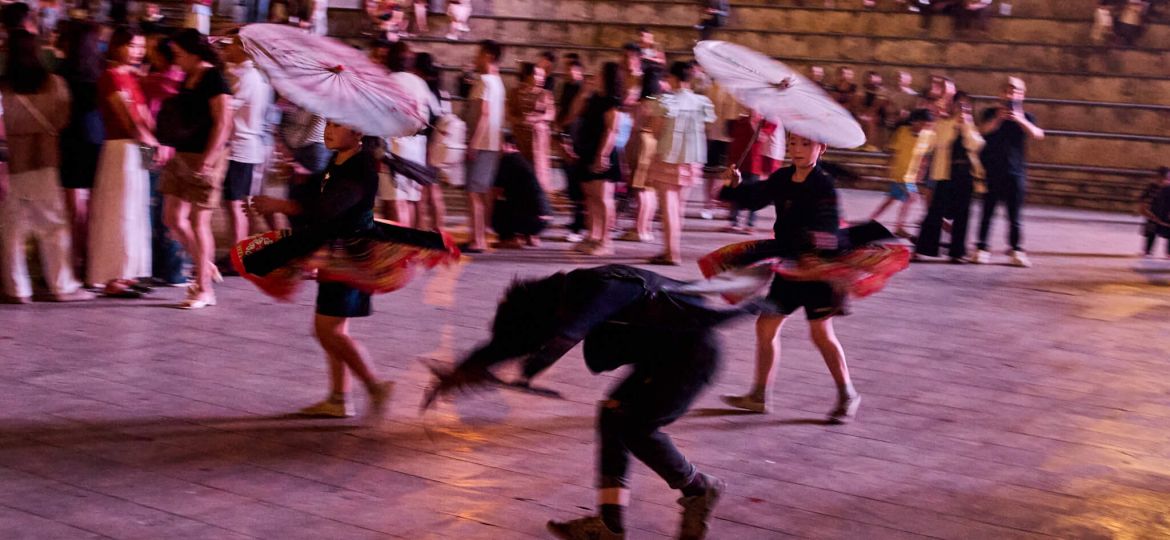
The first thing that causes me apprehension is how we utilize the culture of indigenous ethnic minority communities to attract tourists (as discussed in Chapter IV, “Cultural Exchanges”). I view culture as a sensitive domain, especially when exploited to serve tourism, because such endeavors easily drift toward ruthlessness. If we look merely at economic figures as we so often do, Sa Pa’s growth rate ought to be directly proportional to the livelihood of its indigenous people—particularly when their culture is harnessed alongside nature. Yet culture cannot be measured by those numbers. I believe the majority of us have yet to fully recognize this sensitivity.
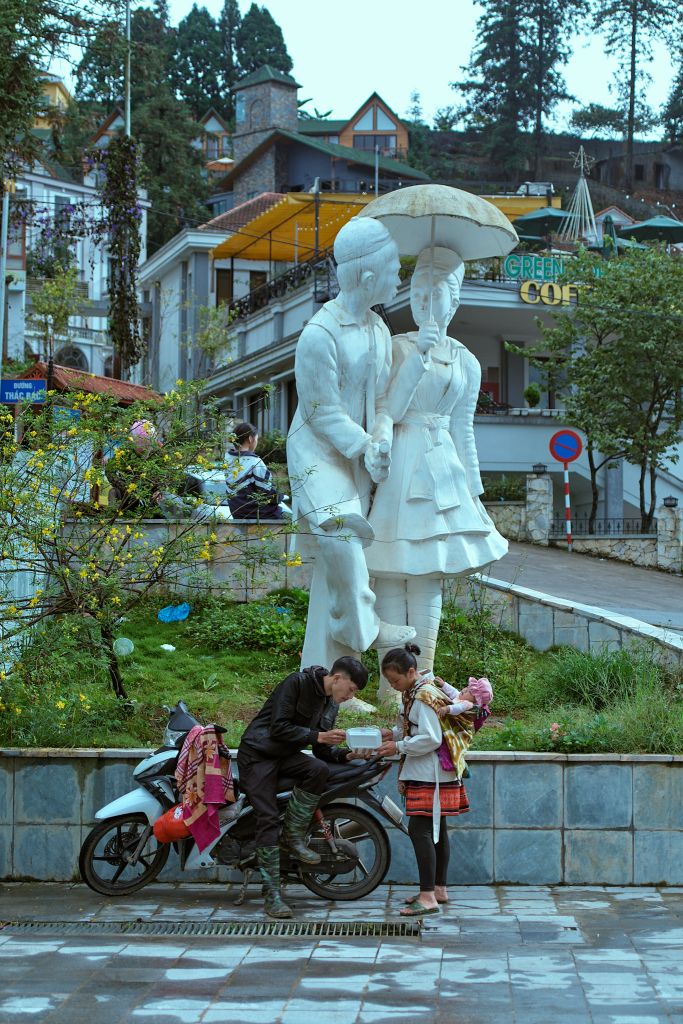
The second point lies in Chapter V, “The Great Unity” (Tianxia Datong), where I critique the manner in which spiritual tourism is exploited on the peak of Fansipan. Though I do not follow any particular religion, I firmly believe that one must exercise the utmost caution when profiting from the public’s faith. Vietnamese people today may be content with this approach, but temples and shrines are structures that ought to be built with a vision spanning 100 to 1,000 years, and even as a contemporary Vietnamese person, I fail to see that complex embody such a vision.
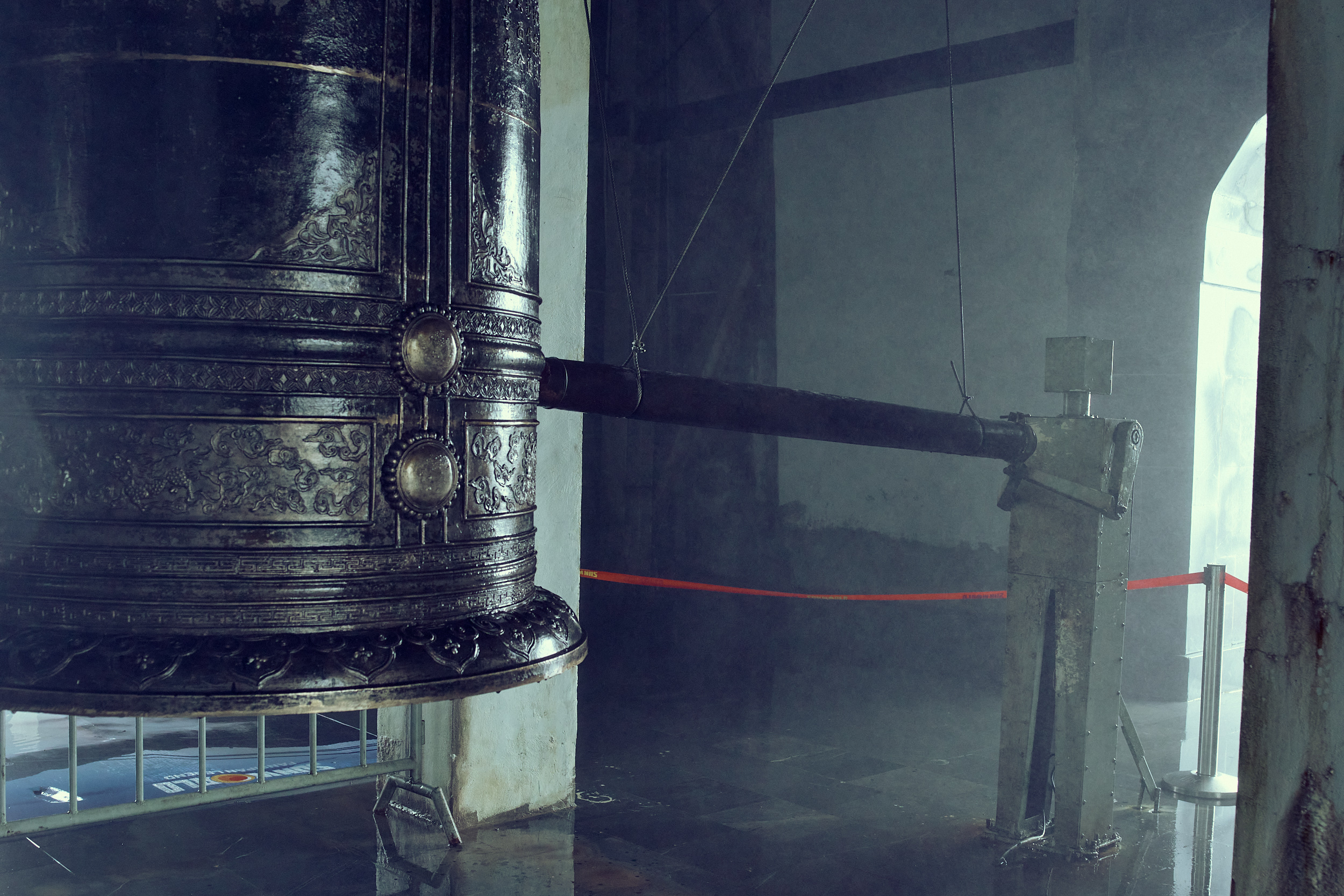
This lack of consideration is revealed in the most minute details within the artistic features. At the Thanh Vân Đắc Lộcheck-in spot, instead of text rendered in a soulless, typewriter-style font, the space could be adorned with a piece of calligraphy as our ancestors once did. A small extra investment, yet it reflects a grand vision. Also, the automated bell-striking machine—neither truly human nor truly robotic—it reminded me of the young Pinocchio, leaving me to wonder whether this robot standing over there follows Buddhism in the hope of one day becoming human. Thinking upon that, I felt a sense of sadness.
(To complete Chapter V, I ascended Fansipan via that renowned longest three-rope cable car in the world. I feel somewhat ashamed of that because initially, I had no intention of riding it due to lacking both the physical stamina to climb the mountain and the desire to spend such a sum).
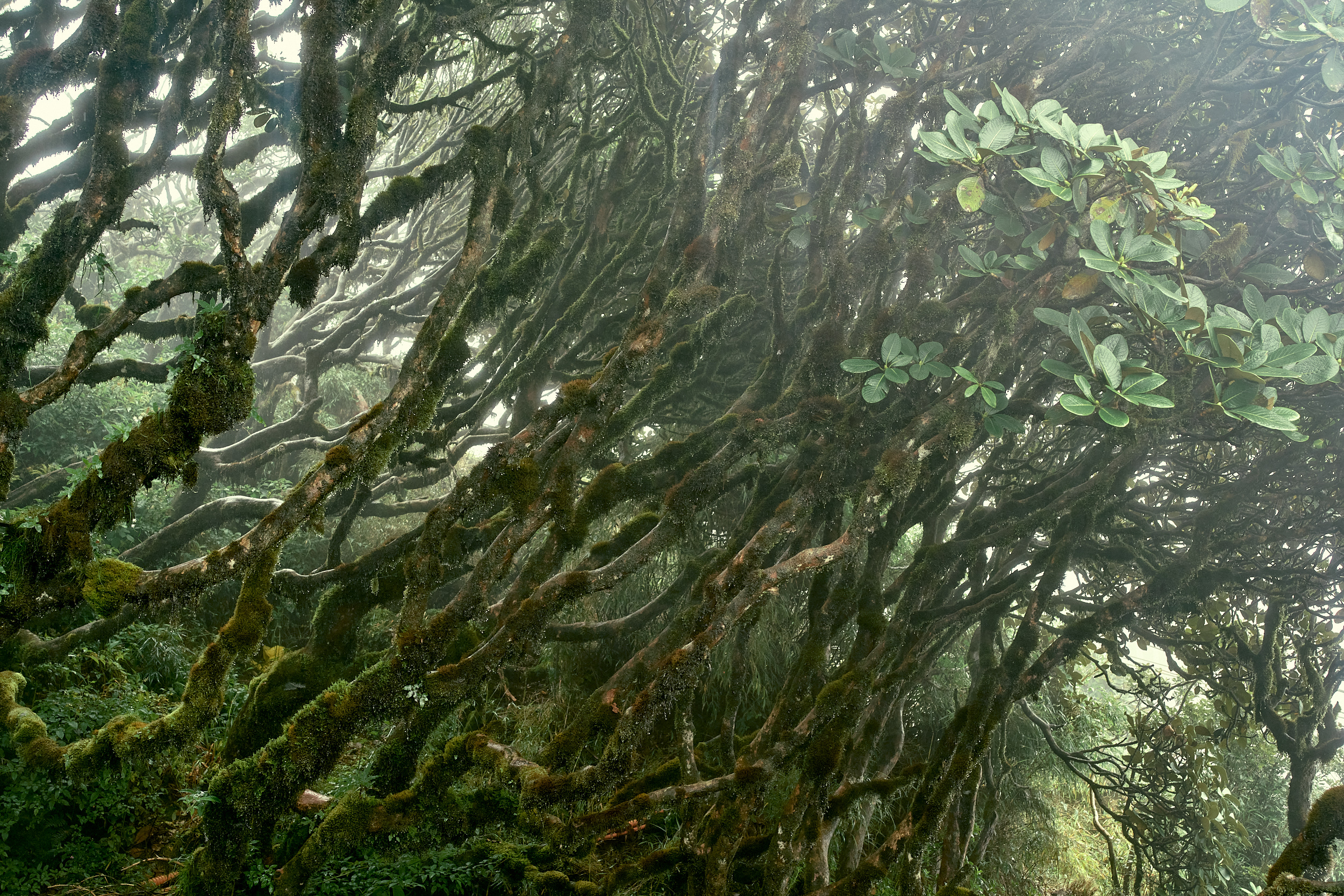
I arrived at this place amid a storm, yet the landscape genuinely stirred my heart. Standing near the ancient trees, I imagined myself as a thousand-year-old Rhododendron tree, living peacefully between earth and sky, harming no one, only to suddenly bear the added duty of serving as a check-in backdrop for mankind. Fifty or seventy years from now, will check-in photographs still matter as much as they do today? And at that time, what will draw us back to this place: the sacredness, the monumental architecture, or the majestic nature?
With my modest strength and humble voice, I merely hope that we might slow down a little, and not let immediate developmental equations obscure our long-term vision. We are capable of doing far better, so that development may become more sustainable and bring greater happiness.
“The Great Unity” is an ideal world which could be far-fetched and unrealistic. Yet like all ideals, it is the moon to point toward, the light in the dead of night – crucial because it helps us find our bearings among the countless paths spreading out before our eyes.
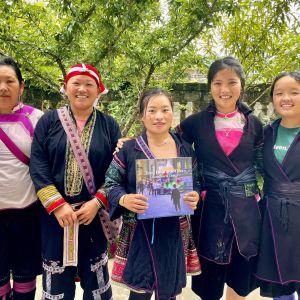
The photobook “Mountains of Change” is a work I published primarily for Vietnamese readers, a multidimensional portrait of space and time expressed through the language of photography. Within its pages lie insights, sentiments, and stories which I hope will spark new perspectives on tourism development. The book remains available for purchase at Hoa Ta gallery online store